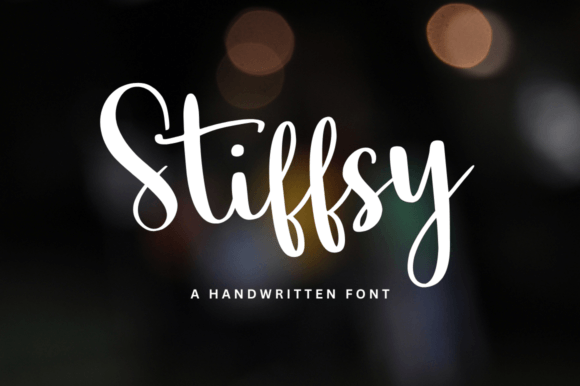
Jenny Simol: A Natural Handwritten Script for Streamlined Creative Workflows
In the landscape of digital design, the difference between a project that feels mechanical and one that feels human often comes down to typography. For professionals aged 20 to 50 who balance creative output with operational efficiency, selecting the right tools is not just about aesthetics; it is about workflow integration. Jenny Simol, a natural handwritten script font created by Incools Design Studio, offers a distinct solution for those looking to inject authenticity into their digital processes without sacrificing structure.
This fluid typeface is designed to bridge the gap between rigid digital templates and organic human expression. Whether you are an entrepreneur drafting a brand identity, a marketer creating social assets, or an educator preparing course materials, understanding how Jenny Simol fits into your existing ecosystem is crucial. It is not merely a decorative element but a functional component that can streamline communication and enhance user engagement when applied correctly.
Understanding the Core Components of Jenny Simol
Before integrating any new asset into a professional workflow, one must understand its technical specifications and capabilities. Jenny Simol is a versatile two-font family that includes Jenny Simol Regular and Jenny Simol Swashes. This duality is essential for maintaining consistency while allowing for necessary variation in a project lifecycle.
The Regular version provides the backbone of the script. It features a fluid, legible structure that mimics the natural flow of handwriting. This makes it ideal for body text where readability is paramount, such as blog posts, email newsletters, or instructional guides. The strokes are consistent enough to ensure that the message remains clear, yet varied enough to avoid the sterile look of standard sans-serif fonts.
The Swashes variant introduces the artistic flair. These characters include extended flourishes and connecting lines that mimic the movement of a pen on paper. While visually striking, they require strategic placement. In a practical workflow, the swashes are best used for emphasis, headers, or signature elements rather than dense blocks of text. Understanding this distinction allows designers and content creators to use the font effectively without overwhelming the reader.
Pre-Project Planning and Asset Organization
Effective implementation begins before the first design file is opened. When planning a new project, whether it is a rebranding effort or a personal portfolio update, the selection of typography sets the tone. Integrating Jenny Simol at this stage requires preparation regarding file management and compatibility.
- Font Pairing Strategy: Since Jenny Simol is a script, it needs a stable partner. Plan to pair it with clean, neutral sans-serif or serif fonts for supporting text. This ensures that the visual hierarchy remains intact and the document does not appear cluttered.
- Asset Preparation: Download both the Regular and Swash versions immediately. Organize them in your local library or cloud storage system alongside other core assets. This prevents last-minute scrambling during the execution phase.
- Style Guide Definition: Decide early on which version will be used for specific elements. For instance, define that the Regular version is for all primary content and the Swashes are reserved for call-to-action buttons or feature highlights.
By establishing these rules during the planning phase, you create a framework that supports efficiency. This reduces decision fatigue later in the process and ensures that the final output aligns with your initial vision.
Integration During the Creative Process
Once the planning phase is complete, the focus shifts to execution. This is where Jenny Simol interacts with other tools and resources. The fluid nature of the font makes it particularly useful in dynamic environments where quick adjustments are necessary.
For marketers and content creators, speed and consistency are vital. Using Jenny Simol in social media graphics or email campaigns can significantly increase engagement rates by making the content feel more personal. However, the implementation must be precise. If the kerning is off or the contrast with the background is too low, the benefit is lost.
When working within design software like Adobe Illustrator, Figma, or Canva, utilize the OpenType features if available. Many modern platforms allow you to toggle swashes on or off directly from the character panel. This capability allows for rapid iteration. You can test a headline with regular characters and then instantly apply swashes to see which version resonates better with your audience.
In educational contexts, instructors can use the font to create handouts that feel less formal and more approachable. By typing out lecture notes or assignment descriptions in Jenny Simol Regular, educators can reduce the perceived barrier between themselves and their students. The key here is moderation. Use the font to highlight key concepts or instructions, but maintain standard fonts for complex data or detailed explanations.
Collaboration and Consistency Across Teams
One of the most common challenges in professional workflows is maintaining consistency across different team members. When multiple people contribute to a single project, the risk of using inconsistent typography increases. Jenny Simol helps mitigate this risk because it is a defined, limited set of styles.
To maintain quality control, share a style guide that explicitly states the usage rules for both the Regular and Swash versions. Specify minimum font sizes, color contrasts, and pairing requirements. This documentation serves as a reference point for freelancers, publishers, and small business owners who may not have extensive design training. By providing clear guidelines, you ensure that the "human" touch of the font is preserved without devolving into chaos.
Furthermore, consider the technical compatibility of the font. Ensure that the font files are web-safe or converted to SVG/PDF formats if they need to be embedded in documents that will be shared widely. This step is critical for long-term use, ensuring that the project looks exactly as intended regardless of the device or platform the recipient uses.
Post-Project Review and Long-Term Utility
The lifecycle of a design asset does not end when the project is delivered. Effective users think about the longevity of their choices. Jenny Simol is a timeless choice because it relies on fundamental principles of handwriting rather than fleeting trends. This makes it suitable for long-term branding initiatives.
After a campaign or project concludes, review the performance of the typography. Did the handwritten style improve readability? Did it increase click-through rates? Did it make the brand feel more authentic? These observations are valuable for future iterations. If the data shows that the Swash version was too distracting in certain contexts, adjust your style guide accordingly for the next cycle.
For hobbyists and productivity-minded users, the versatility of Jenny Simol extends beyond professional deliverables. It can be used in personal journals, digital planners, and gift tags. The ability to switch between the structured Regular and the decorative Swashes allows for a high degree of customization in personal organization systems.
Optimizing Efficiency Through Smart Usage
Efficiency in design is often about knowing what not to do. Overusing a script font can lead to visual noise that hampers comprehension. To optimize your workflow, adopt a "less is more" mentality. Use Jenny Simol to break up monotony, not to replace standard text entirely.
Consider the following practical tips for seamless integration:
- Leverage Contrast: Always place the script against a solid, neutral background. Avoid placing Jenny Simol over busy images or gradients, as this reduces legibility and negates the elegance of the font.
- Limit Line Length: Scripts generally look best on shorter lines. When designing layouts, keep paragraphs concise to allow the fluid strokes to breathe.
- Test for Accessibility: Before publishing, run your designs through accessibility checkers. Ensure that the color contrast meets WCAG standards, especially when using the thinner strokes of the Regular version.
- Document Your Decisions: Keep a record of why you chose Jenny Simol for specific projects. This creates a knowledge base that can be referenced by others in the future, fostering better collaboration and continuity.
Conclusion: A Tool for Authentic Communication
In a digital world saturated with generic templates, Jenny Simol stands out as a tool for authentic communication. Created by Incools Design Studio, it offers a unique blend of structure and fluidity that appeals to a wide range of users, from entrepreneurs to educators. By understanding its components—the Regular and Swash variants—and integrating them thoughtfully into your planning, execution, and review phases, you can enhance the quality of your work.
The true value of this font lies not just in its appearance, but in how it facilitates a smoother, more human-centric workflow. It encourages designers and creators to slow down and consider the emotional impact of their words. When used with intention, Jenny Simol transforms ordinary documents into engaging experiences, proving that good design is always about the details and the process behind them.
Whether you are launching a new product, teaching a class, or simply organizing your personal life, incorporating Jenny Simol into your toolkit can provide the edge you need to stand out. Start by experimenting with the Regular version in your next draft, and gradually introduce the Swashes as you become comfortable with the rhythm of the typeface. The result will be work that feels crafted, intentional, and undeniably yours.