Unlocking the Elegance of Muthigold: A Guide to Using Luxury Script Wisely
When you are designing a brand or creating a special invitation, the difference between a project that feels generic and one that feels premium often comes down to a single element: the typography. This is where Muthigold from Letterena steps in as a powerful tool. It is not just another decorative typeface; it is a luxury script font designed to bring a modern yet beautiful aesthetic to your work. Whether you are a seasoned graphic designer, a small business owner launching a new product line, or a hobbyist looking to create personalized gifts, understanding how to leverage this specific font can elevate your visual communication significantly.
However, acquiring the font is only half the battle. Many creators rush to apply script fonts without considering the nuances of their application, leading to designs that look cluttered or unprofessional. The goal here is to help you avoid those common pitfalls so you can use Muthigold effectively to achieve the high-end results you envision.
Understanding What Makes Muthigold Special
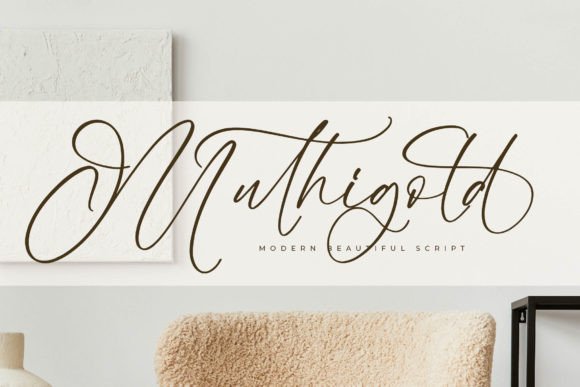
Muthigold is classified as a luxury script, which means it mimics the fluidity of hand-lettering while maintaining the structural integrity needed for digital and print media. Its "modern" classification suggests it avoids the overly ornate, Victorian-style flourishes found in older scripts, making it versatile enough for contemporary branding projects. The name itself implies value and warmth, traits that translate well into logos, packaging, and homeware designs.
People are interested in this font because it solves a specific problem: how to add personality without sacrificing readability. In a market saturated with sans-serif and blocky serif fonts, a script like Muthigold provides an immediate emotional connection. It whispers elegance rather than shouting for attention. This makes it particularly suitable for projects ranging from t-shirts and shopping bags to book covers and photography watermarks.
Common Pitfalls When Choosing and Applying Script Fonts
Even experienced designers sometimes stumble when working with script typefaces. The most frequent mistake is assuming that a beautiful font automatically creates a beautiful design. Without proper context, Muthigold can easily become illegible or clash with other elements on the page. Here are the critical areas where users often go wrong and how to correct them.
- Overcrowding the Design: One of the biggest errors is using the script font for large blocks of text. Scripts are meant for headlines, names, and short phrases. If you try to set a paragraph of body copy in Muthigold, the reader will struggle to follow the lines, leading to a poor user experience and a drop in engagement.
- Neglecting Contrast: Because Muthigold has varying stroke widths (thick and thin lines), it requires a background that does not compete with its details. Placing it over a busy pattern or a dark image without sufficient spacing can cause the thinner parts of the letters to disappear completely.
- Inconsistent Weighting: Some users try to make the font "pop" by increasing the tracking (letter spacing) too much or adding excessive shadows. This distorts the natural flow of the script, making it look artificial and cheap rather than luxurious.
- Ignoring the Medium: A font that looks stunning on a screen might behave differently on physical materials like mugs or labels. The curves of Muthigold might get lost if the printing resolution is low or if the surface texture is uneven.
The Impact of These Mistakes on Your Project
Why do these errors matter? In the world of branding, perception is reality. If your invitation card is difficult to read, guests may feel the event is disorganized. If your product packaging looks cluttered due to poor font placement, customers may assume the product inside is of lower quality. For entrepreneurs and freelancers, a poorly executed design can directly impact sales and client trust.
Furthermore, using a script incorrectly can damage your professional reputation. Clients expect you to know how to balance aesthetics with functionality. If you present a logo where the company name is unreadable because the script was stretched or spaced poorly, you risk losing future opportunities. The cost of fixing these mistakes later—reprinting labels, redesigning marketing materials, or rebranding entirely—is far higher than taking the time to get it right the first time.
Practical Advice for Flawless Execution
To ensure your projects benefit from the luxury taste of Muthigold, you need a strategic approach. Start by defining the hierarchy of your design. Use the script font for the primary message—the name of the brand, the title of the poster, or the headline of the greeting card—and pair it with a clean, simple sans-serif or serif font for any supporting text.
When applying the font to physical products like t-shirts or mugs, always check the kerning. Script fonts rely on the proximity of letters to look connected and fluid. Adjusting the space between characters ensures that the flow remains natural even when scaled up or down. For watermark applications on photography, reduce the opacity of the text to prevent it from overpowering the image while still providing clear attribution.
If you are creating invitations or name cards, consider the paper stock. Muthigold's delicate strokes shine on textured, heavy cardstock. Avoid placing it on glossy, reflective surfaces unless you have a matte finish option, as glare can obscure the finer details of the script.
Evaluating Before You Commit
Before downloading or purchasing Muthigold, take a moment to evaluate your specific needs. Ask yourself what kind of tone you want to convey. Is the project serious and corporate, or is it personal and celebratory? While Muthigold is versatile, it leans towards the elegant and artistic side. It is perfect for weddings, boutique shops, and creative portfolios, but might be less appropriate for a construction firm or a medical clinic.
Check the licensing terms carefully. As a premium font from Letterena, the usage rights vary depending on whether you need it for personal hobbies or commercial ventures. Ensuring you have the correct license prevents legal issues down the line. Additionally, test the font in different sizes. A script that looks magnificent at 72 points might become a blob of ink at 8 points. Verify that the legibility holds up across all intended uses, from large billboards to tiny product labels.
Making the Right Choice for Your Brand
The journey to a polished design involves more than just selecting a pretty font. It requires an understanding of how typography interacts with color, layout, and material. By avoiding the common traps of overcrowding and poor contrast, you can harness the full potential of Muthigold. Whether you are designing a logo for a startup, creating custom gift tags, or crafting a digital poster, this font offers the luxury script taste that modern projects crave.
Remember, the best design is invisible; it guides the viewer effortlessly to the message. When used correctly, Muthigold does exactly that, wrapping your content in a layer of sophistication that resonates with your audience. Take the time to plan your layout, respect the integrity of the letterforms, and choose your pairing fonts wisely. With these considerations in mind, you will avoid costly errors and produce work that stands out as truly professional and beautiful.