Vegetable: The Elegant Script Font That Transforms Digital and Print Design
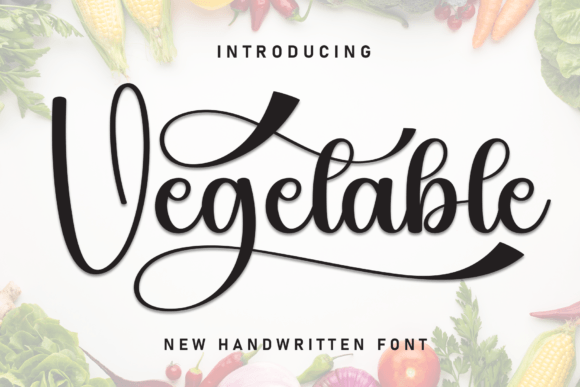
In the vast landscape of typography, where geometric sans-serifs dominate headlines and sturdy serifs anchor body text, there remains a persistent need for something that feels personal, organic, and deeply human. This is where Vegetable enters the conversation. It is not merely a typeface; it is a stylistic statement that bridges the gap between professional polish and handwritten warmth. As a stylish and incredibly elegant script font, Vegetable looks stunning on wedding invitations, thank you cards, quotes, greeting cards, logos, business cards, and every other design which needs a handwritten touch.
The versatility of this font allows it to adapt seamlessly across various mediums, making it a favorite among professionals who seek to inject character into their work without sacrificing readability. Whether you are an educator designing engaging materials, a business owner crafting a brand identity, or a hobbyist creating personalized gifts, understanding the nuances of Vegetable can elevate your creative output significantly.
The Aesthetic Appeal of Organic Typography
Typography is often described as the voice of a design. When we choose a font like Vegetable, we are essentially choosing a tone of voice that is conversational yet sophisticated. Unlike rigid block letters, script fonts mimic the fluidity of human handwriting, introducing slight variations in stroke width and flow that mechanical printing cannot replicate.
The specific characteristics of Vegetable set it apart from other scripts in the market. It possesses a refined elegance that avoids the clutter often found in casual handwriting styles. The strokes are clean, the connections are logical, and the overall weight is balanced enough to remain legible even at smaller sizes. This balance makes it particularly suitable for applications where both aesthetics and clarity are paramount.
- Fluid Connectivity: The letters connect naturally, creating a sense of movement that guides the eye smoothly across the page.
- Elegant Flourishes: Subtle decorative elements add personality without overwhelming the content, ensuring the design remains timeless rather than trendy.
- High Legibility: Despite its script nature, the open forms of the characters ensure that readers do not struggle to decipher words, a common pitfall with more ornate typefaces.
When applied correctly, these characteristics transform a standard document into an experience. A simple email signature becomes a mark of distinction, and a basic flyer becomes an invitation to engage. The font's ability to convey emotion through shape alone is what makes it such a powerful tool for designers.
Why Elegance Matters in Modern Communication
In an era dominated by digital noise and standardized interfaces, elegance serves as a differentiator. Consumers and audiences are increasingly drawn to designs that feel curated and thoughtful. Using Vegetable signals that the creator has paid attention to detail. It suggests a level of care and effort that resonates with the audience on an emotional level.
This is particularly relevant for businesses aiming to build a premium image. A logo rendered in a sturdy sans-serif might communicate stability, but one incorporating the grace of Vegetable communicates sophistication and artistry. Similarly, in the realm of education, using a friendly yet elegant script can make learning materials feel less sterile and more inviting for students of all ages.
Practical Applications Across Industries
The utility of Vegetable extends far beyond the realm of graphic design studios. Its broad appeal means it finds a home in diverse sectors, each utilizing its unique properties to solve specific communication challenges. Understanding these use cases helps clarify why this font has become a staple in many creative workflows.
Ceremonial and Personal Events
No application highlights the beauty of Vegetable more effectively than event stationery. Wedding invitations require a delicate balance of formality and romance. Vegetable provides the necessary structure to maintain professionalism while offering the romantic flair associated with celebrations. It looks stunning on wedding invitations because it mimics the look of calligraphy done by hand, adding a layer of exclusivity to the event.
Similarly, for thank you cards and greeting cards, the font adds a personal touch that mass-produced templates lack. When a business sends a holiday card or a client sends a birthday wish, the choice of font speaks volumes. Vegetable ensures that the message feels sincere and heartfelt, turning a routine exchange into a memorable interaction.
Brand Identity and Corporate Materials
For business owners and entrepreneurs, establishing a distinct brand voice is crucial. While many companies rely on minimalist logos, others seek to stand out with a more artisanal approach. Vegetable is perfect for creating logos for boutiques, bakeries, florists, and lifestyle brands where the "handmade" aspect is a selling point.
Business cards are another critical touchpoint. A standard black-and-white card is functional, but a card featuring the elegant curves of Vegetable creates a lasting impression. It suggests that the individual behind the business values creativity and quality. When paired with high-quality paper stock, the font's details become even more pronounced, enhancing the tactile experience of the card.
Digital Content and Social Media
The influence of Vegetable is also felt in the digital space. In a feed filled with bold, shouting headlines, a quote card designed with Vegetable stands out for its grace. Educators and researchers often use it to highlight key takeaways or inspirational quotes in presentations and infographics. The font draws the eye immediately, encouraging the viewer to pause and read the message.
Furthermore, web designers sometimes incorporate script fonts for specific sections, such as pull quotes or introductory headers, to break up the monotony of body text. When used sparingly, Vegetable adds a layer of visual interest that keeps users engaged with the content.
Implementation Strategies for Best Results
While Vegetable is a versatile tool, its effectiveness depends heavily on how it is implemented. To achieve the best results, designers must adhere to certain principles regarding pairing, sizing, and context. Ignoring these considerations can lead to designs that appear chaotic rather than elegant.
- Pairing with Complementary Fonts: One of the most common mistakes is using only a script font throughout a layout. Vegetable works best when paired with a neutral, highly readable sans-serif or serif font for body text. For example, combining Vegetable for headings with a clean Helvetica or Garamond for paragraphs creates a harmonious contrast between style and substance.
- Mindful Sizing: Because script fonts rely on fine lines and intricate connections, they lose their impact when scaled too small. Ensure that Vegetable is large enough for the intended medium. On mobile devices, test the legibility carefully to ensure the flourishes do not blur or disappear.
- Whitespace Management: Elegant typography requires breathing room. Do not crowd Vegetable with other dense elements. Allow ample whitespace around the text to let the shapes of the letters breathe. This isolation enhances the perception of luxury and refinement.
- Color Contrast: High contrast is essential for readability. Dark ink on light backgrounds (or vice versa) ensures that the subtle details of the font are visible. Avoid low-contrast combinations, such as light gray text on a white background, which can make the script difficult to read.
Technical Considerations for Developers and Creators
For those integrating Vegetable into web projects, technical performance is a key factor. Web fonts should be optimized to load quickly without sacrificing quality. Utilizing modern formats like WOFF2 can ensure that the smooth curves of the font render crisply across different browsers and devices. Additionally, considering font loading strategies, such as preloading, can prevent layout shifts that might distract the user.
Print creators must also consider the limitations of their printing equipment. Some detailed scripts may not reproduce well on lower-resolution printers or certain types of textured paper. It is advisable to print proofs before committing to large runs, especially for items like business cards where the texture of the paper interacts with the ink.
The Psychology of Handwritten Styles
Why do we respond so positively to fonts like Vegetable? The answer lies in the psychology of human connection. In a world increasingly mediated by screens and algorithms, handwritten elements trigger a sense of authenticity. We perceive handwriting as evidence of a human presence, a direct line from the creator to the receiver.
Research in consumer behavior suggests that products and communications perceived as "handcrafted" or "personalized" command higher value and trust. By using Vegetable, designers tap into this psychological bias. It reduces the perceived distance between the sender and the recipient, fostering a stronger emotional bond.
This is particularly effective for educators and researchers looking to humanize their data. A report filled with dry statistics becomes more engaging when the title or key findings are presented in a warm, inviting script. It invites the reader to explore the content rather than passively consuming it.
Balancing Tradition and Innovation
There is a risk of overusing script fonts, leading to a design that feels dated or overly decorative. The key is to view Vegetable as a spice rather than the main course. It should enhance the design, not dominate it. Successful implementations often blend traditional typographic principles with modern layout techniques.
For instance, a modern magazine might use Vegetable for a feature story headline while maintaining a grid-based layout typical of contemporary editorial design. This juxtaposition creates a dynamic tension that is visually stimulating. It respects the heritage of the script while acknowledging the demands of modern media consumption.
Future Trends and the Longevity of Script Fonts
As design trends evolve, the role of script fonts like Vegetable continues to shift. While fleeting trends come and go, the fundamental appeal of elegant handwriting remains constant. We are seeing a resurgence of "neo-script" styles that combine classic calligraphy with modern minimalism, and Vegetable fits perfectly into this category.
Looking ahead, the integration of variable fonts will offer new possibilities for script typefaces. Designers may soon have the ability to adjust the weight, slant, and connection density of Vegetable dynamically, allowing for unprecedented customization within a single file. This technology will further enhance the font's utility, enabling it to adapt to any context instantly.
Moreover, as sustainability becomes a priority in design, the ability to create high-impact visuals with fewer resources is valued. A well-designed piece using Vegetable can often achieve its goal with less visual clutter, reducing the cognitive load on the viewer and potentially lowering the amount of ink required for print jobs.
Conclusion: Elevating Your Design Narrative
In summary, Vegetable represents more than just a collection of letterforms; it is a vehicle for storytelling. Its stylish and incredibly elegant nature makes it a powerful asset for anyone looking to add a handwritten touch to their projects. From the intimate setting of a wedding invitation to the professional environment of a corporate logo, the font adapts with grace and precision.
By understanding its characteristics, respecting its limitations, and applying it with strategic intent, creators can unlock the full potential of this typeface. Whether you are a professional seeking to refine your brand, a consumer looking to create meaningful gifts, or an educator aiming to inspire your students, Vegetable offers a pathway to more expressive and impactful communication. In a crowded digital and physical marketplace, the elegance of Vegetable ensures that your message is not just seen, but felt.