Blackletter: A Timeless Script for High-Impact Design
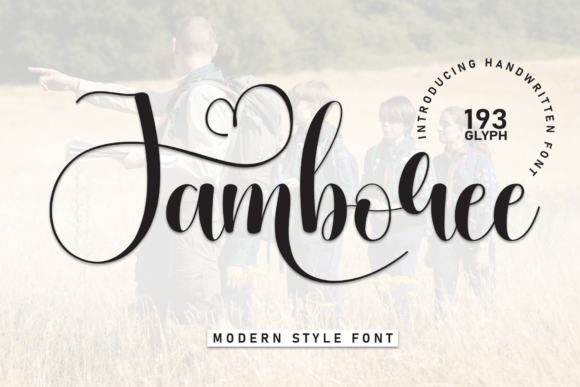
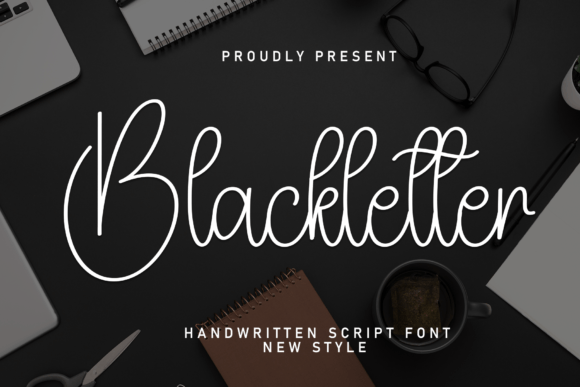
In the landscape of digital and print design, few typefaces command attention quite like Blackletter. Often mistaken for a single font family, it is actually a broad category of calligraphic scripts that originated in medieval Europe. While modern designers might initially associate this style with archaic manuscripts or gothic horror themes, its application has evolved significantly. Today, Blackletter stands as a stylish and incredibly elegant script font that offers a distinct visual voice. It looks stunning on wedding invitations, thank you cards, quotes, greeting cards, logos, business cards, and every other design which needs a handwritten touch.
However, selecting the right typographic tool requires more than just aesthetic appreciation. For professionals, entrepreneurs, and creators looking to elevate their brand identity, understanding the nuances of this script is essential. This analysis explores the practical value, strengths, and limitations of using Blackletter in contemporary projects, helping you determine if it aligns with your specific goals and audience expectations.
Defining the Aesthetic: What Makes Blackletter Unique?
At its core, Blackletter is characterized by its dense, angular strokes and intricate details. Unlike the clean lines of sans-serif fonts or the uniform curves of traditional serifs, Blackletter mimics the look of ink applied to parchment with a quill pen. The result is a texture that feels organic, heavy, and deeply rooted in history. When evaluating a Blackletter font for a project, one must look beyond the initial "old-fashioned" impression.
The true strength of this style lies in its ability to convey authority and tradition without saying a word. In a digital environment saturated with minimalist Helvetica and geometric grotesques, Blackletter provides a necessary counterpoint. It introduces warmth and humanism into designs that might otherwise feel cold or corporate. Whether used for a luxury brand logo or a personal blog header, the script adds a layer of sophistication that suggests craftsmanship and attention to detail.
- Density: The tight spacing and thick vertical strokes create a solid visual block that anchors a layout.
- Ornamentation: Many variations include decorative flourishes that add character to simple text.
- Legibility Spectrum: Ranging from highly legible Fraktur styles to nearly illegible Textura forms, offering flexibility based on the use case.
Practical Applications in Modern Branding
While the historical roots of Blackletter are deep, its modern utility is surprisingly versatile. The key to successful implementation is context. Using this script effectively requires an understanding of where it fits within the current design ecosystem. It is not merely a decorative choice; it is a strategic one.
For small business owners and freelancers, Blackletter can be a powerful differentiator. Consider a craft brewery, a boutique law firm, or a high-end bakery. In these sectors, the font choice signals a commitment to heritage and quality. A logo featuring a well-rendered Blackletter script immediately communicates that the business values tradition and artisanal methods. It separates the brand from competitors who rely on generic, mass-market typography.
Similarly, in the realm of event planning and stationery, the script is indispensable. Wedding invitations and formal thank you cards benefit immensely from the elegance of Blackletter. The font's inherent formality elevates the perceived value of the event. When paired with high-quality paper and gold foil stamping, the combination creates a tactile experience that resonates with guests. However, for greeting cards and quotes, the balance shifts slightly. Here, the font should be used sparingly to highlight key phrases rather than overwhelming the entire message.
Evaluating Quality, Usability, and Consistency
Not all Blackletter fonts are created equal. As a designer or content creator, you will encounter a wide range of quality levels. Some free fonts suffer from poor kerning, inconsistent stroke weights, or awkward ligatures that break the flow of reading. Others are meticulously crafted, offering OpenType features that allow for dynamic alternates and stylistic sets. Evaluating a font's usability involves checking how it performs across different mediums.
Legibility and Readability
This is the most critical factor. While Blackletter is visually striking, it can be difficult to read at small sizes or when set in long paragraphs. For professional applications, it is best reserved for headlines, titles, and short blocks of text. Attempting to set body copy in Blackletter often results in reader fatigue and reduced comprehension. The eye struggles to distinguish between similar letterforms, such as 'u' and 'v', or 'i' and 'j', especially when they are heavily stylized.
Scalability and Resolution
When designing for web use, pixel density becomes a concern. Intricate details in Blackletter can blur or disappear on low-resolution screens. A font that looks sharp in a vector format may appear jagged on a mobile device. Therefore, testing the font across various screen sizes and resolutions is a non-negotiable step in the workflow. If the fine details vanish, the font fails its purpose.
Consistency and Reliability
A reliable font family includes a full set of characters, including numerals, punctuation, and special symbols. Many poorly designed Blackletter fonts lack proper capitalization or have missing glyphs for common symbols. For serious hobbyists and publishers, this inconsistency can ruin a layout. Always verify that the font supports the language and special characters required for your specific project before committing to it.
Strategic Limitations and Professional Observations
To maintain objectivity, it is important to acknowledge where Blackletter does not fit. Despite its elegance, it carries a specific cultural weight. In certain contexts, particularly in Germany and parts of Central Europe, Blackletter (specifically Fraktur) has complex historical associations. While many modern users do not recognize these connotations, global brands must exercise caution to avoid unintended messaging.
Furthermore, the "handwritten touch" that makes Blackletter appealing can sometimes feel pretentious if overused. If a tech startup or a financial consultancy uses this script without a clear rationale, it may confuse the audience. The font suggests a slower, more deliberate pace, which might contradict the fast-paced nature of the industry being represented. Authenticity is paramount; the font must match the brand's actual story and values.
Another limitation is compatibility. Not all web browsers render custom Blackletter fonts perfectly. If you are building a website, relying solely on a niche Blackletter font for navigation or critical information is risky. A hybrid approach is often superior: use Blackletter for branding elements and emotional connection, but pair it with a neutral sans-serif or serif font for functional text. This ensures accessibility while maintaining the desired aesthetic.
Who Benefits Most from This Style?
Understanding the target audience for your design is crucial. Blackletter is particularly effective for:
- Artisans and Crafters: Individuals selling handmade goods need a font that reflects the care put into their products.
- Luxury Brands: High-end fashion, jewelry, and hospitality industries often leverage the script to denote exclusivity.
- Educators and Historians: Those teaching about medieval history or literature can use the font to create an immersive atmosphere.
- Event Planners: Professionals organizing weddings, galas, and formal ceremonies require typography that commands respect and grace.
Conversely, startups seeking to appear disruptive, healthcare providers aiming for clarity, or government agencies requiring strict neutrality may find Blackletter unsuitable. The decision ultimately rests on whether the "handwritten touch" enhances the message or distracts from it.
Final Thoughts on Long-Term Value
In conclusion, Blackletter remains a valuable asset in the designer's toolkit, provided it is used with intention and restraint. Its ability to transform a mundane design into something memorable is unmatched. From wedding invitations to business cards, the script offers a level of elegance that few others can replicate. However, its success depends on rigorous selection, careful pairing, and an awareness of its limitations.
For professionals and creators willing to invest the time in finding a high-quality version of this script, the payoff is significant. It allows for the creation of work that feels timeless, sophisticated, and deeply human. By balancing the ornate nature of Blackletter with modern design principles, you can produce materials that not only look beautiful but also communicate your message effectively. Whether you are a seasoned marketer or a passionate hobbyist, mastering the nuances of this classic style will undoubtedly elevate your creative output.