Magic Comic: A Timeless Script for Distinctive Design
In a digital landscape saturated with uniform sans-serifs and rigid geometric forms, finding a typeface that commands attention without sacrificing readability is a persistent challenge. Magic Comic emerges as a compelling solution for designers seeking to inject personality into their work while maintaining a sense of refined elegance. This script font is not merely a decorative afterthought; it is a carefully crafted tool designed to elevate projects ranging from editorial layouts to branding identities. Its description as "neat and beautiful" is well-earned, offering an aesthetic that balances the whimsical nature of comic lettering with the structural integrity required for professional applications.
The primary allure of Magic Comic lies in its ability to bridge the gap between playful creativity and sophisticated presentation. Unlike many script fonts that suffer from inconsistent stroke weights or overly ornate flourishes that hinder legibility, this typeface maintains a distinct rhythm. The elegant touch embedded in its character set allows it to function effectively in contexts where a standard serif or sans-serif would feel too cold, yet a handwritten style might appear too casual. For professionals looking to create spectacular designs, understanding the specific utility of such a font is essential for making informed typographic choices.
Defining the Character and Visual Identity
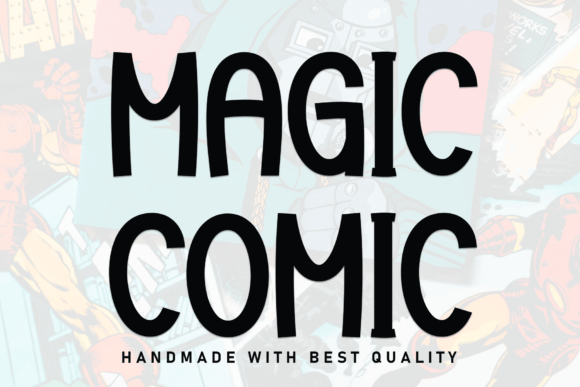
To appreciate the value of Magic Comic, one must first analyze its visual DNA. The font is characterized by its fluid connections and varied line widths, which mimic the natural movement of a brush or calligraphy pen but are rendered with precise digital control. The "magic" aspect of its name is reflected in the subtle variations found within individual characters, preventing the monotonous repetition that often plagues digital scripts. This distinctiveness ensures that text set in this font does not blend into the background but rather serves as a focal point.
The neatness of the design is particularly notable. Many script fonts struggle with clutter when used at smaller sizes or in dense blocks of text. Magic Comic avoids this pitfall through a clean architecture that prioritizes clarity. The spacing between letters (kerning) and the alignment of baselines are calibrated to ensure smooth reading flow. This makes it suitable for more than just headlines; it can be deployed effectively in body copy for specific stylistic purposes, provided the content length is managed appropriately. The timeless style mentioned in its description suggests that the design avoids fleeting trends, aiming instead for a classic appeal that will remain relevant across different design eras.
- Fluidity: Smooth transitions between strokes that evoke a hand-drawn quality.
- Clarity: High legibility even at moderate sizes due to open counters and consistent stroke width.
- Elegance: A refined aesthetic that elevates the perceived value of the surrounding content.
Practical Applications in Professional Workflows
For entrepreneurs, marketers, and small business owners, typography is a critical component of brand identity. Magic Comic offers a versatile toolkit for creating memorable visual assets. Consider a scenario where a boutique coffee shop needs packaging that feels artisanal yet premium. Using a generic script might look cheap, while a heavy display font could appear aggressive. Magic Comic sits perfectly in the middle, conveying warmth and craftsmanship without losing a touch of class.
Publishers and educators may also find significant utility in this font. In educational materials, especially those targeting younger audiences or creative subjects, the engaging nature of the script can help maintain reader interest. However, the "neat" characteristic ensures that the information remains accessible and not overly distracting. Bloggers and content creators can leverage the font to create unique pull quotes, section headers, or signature styles that distinguish their voice from the sea of identical blog posts.
- Branding and Logos: Ideal for businesses wanting a personal, approachable, yet polished image.
- Editorial Design: Effective for magazine covers, book titles, and feature story headers.
- Event Materials: Perfect for wedding invitations, conference programs, and promotional flyers.
- Digital Interfaces: Can be used sparingly in web design for hero sections or call-to-action buttons.
Evaluating Quality and Usability
When evaluating any typeface, reliability and consistency are paramount. Magic Comic demonstrates a high level of technical quality. The glyph set appears robust, supporting a wide range of characters necessary for international use, which is a crucial consideration for global brands. The consistency of the style across different weights and sizes indicates that the font was developed with a clear vision rather than being hastily assembled. This attention to detail translates to better performance in real-world scenarios, reducing the need for manual adjustments that often bog down the design process.
Flexibility is another key strength. The font's design allows it to adapt to various media formats, from high-resolution print outputs to low-resolution mobile screens. However, users should exercise discretion regarding usage volume. While the font is neat, it is still a script. Overusing it in long-form text can lead to visual fatigue, diminishing the impact of the message. The most effective strategy is to treat Magic Comic as a complementary element. Pairing it with a neutral, highly readable sans-serif creates a harmonious contrast that highlights the strengths of both typefaces.
Target Audience and Strategic Fit
Who benefits most from incorporating Magic Comic into their workflow? The answer depends largely on the goals of the project. It is particularly well-suited for freelancers and creatives who need to deliver high-quality, custom-looking work quickly. Instead of commissioning expensive custom lettering, this font provides a ready-made alternative that delivers a similar bespoke feel. For serious hobbyists and DIY enthusiasts, it offers a professional-grade asset that elevates personal projects to a commercial standard.
However, it is important to acknowledge potential limitations. In highly formal contexts, such as legal documents, financial reports, or academic papers, the decorative nature of Magic Comic may be inappropriate. It carries a tone of creativity and approachability that conflicts with the seriousness required in these sectors. Additionally, while the font is distinct, it may not be the best choice for audiences with visual impairments or dyslexia, as complex script structures can sometimes reduce readability compared to simpler, more open typefaces. Designers must always prioritize accessibility alongside aesthetics.
Long-Term Value and Design Sustainability
The longevity of a design decision is often determined by the timelessness of the tools used. Magic Comic appears to possess the qualities of a sustainable asset. By avoiding extreme stylization or gimmicky effects, it adheres to principles of good design that withstand changing trends. Investing in a font like this ensures that future rebrands or content updates do not require a complete overhaul of the visual language. The "timeless style" cited in its description is a valuable indicator of this durability.
For publishers and agencies managing large portfolios of clients, having a reliable, high-quality script font in their library reduces friction in the production pipeline. It allows for rapid prototyping and iteration, enabling teams to focus on strategy and content rather than wrestling with poor kerning or missing glyphs. The effectiveness of the font in creating "spectacular designs" is contingent upon the skill of the user, but the tool itself provides a solid foundation for success.
In conclusion, Magic Comic represents a thoughtful addition to the typographic arsenal. It successfully combines the charm of a script with the discipline of a professional font family. Whether you are a marketer crafting a campaign, an educator designing course materials, or a freelancer building a portfolio, this typeface offers a distinct way to communicate your message with elegance and flair. By understanding its strengths and applying it with strategic intent, designers can harness its power to create work that resonates deeply with their intended audience.