Bringing Character to Digital and Print: The Versatility of Craftsman Work
In a digital landscape often dominated by sterile, uniform typefaces, finding a font that balances professional utility with genuine personality can feel like searching for a needle in a haystack. This is where Craftsman Work steps in as a unique solution. It is not merely a collection of glyphs; it is a whimsical script font with a relaxed theme, featuring a lovely style that invites the reader to slow down and engage with the content. Whether you are designing a wedding invitation, creating a brand identity for a boutique bakery, or simply adding a touch of warmth to an educational handout, this typeface offers a distinct visual voice.
The potential of Craftsman Work extends far beyond simple decoration. Because of its inherent charm, it has the potential to elevate any creation within your design toolkit. By integrating this specific font into your workflow, you can bridge the gap between rigid corporate communication and human-centric storytelling. The following sections explore how this font functions across various mediums, who benefits most from its use, and the practical considerations involved in deploying such a distinctive typeface effectively.
Understanding the Visual Language of Relaxed Typography
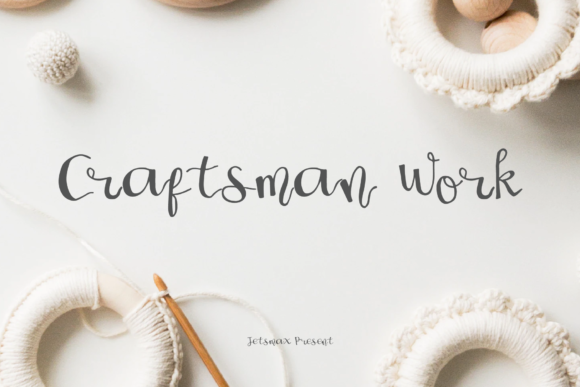
To truly appreciate the value of Craftsman Work, one must first understand what makes a script font successful in a modern context. Many scripts fail because they are either too difficult to read or lack the structural integrity required for professional applications. Craftsman Work avoids these pitfalls by maintaining a relaxed theme without sacrificing legibility. The letters flow naturally, mimicking the fluid motion of handwriting while retaining enough consistency to be used in longer blocks of text when necessary.
The "lovely style" mentioned in its description refers to the subtle variations in stroke weight and the gentle curves that give the characters a soft, approachable appearance. Unlike harsh geometric sans-serifs or overly ornate calligraphic fonts, this typeface sits comfortably in a middle ground. It feels familiar, like a note left on a kitchen counter, yet polished enough for a formal presentation. This duality allows designers to convey authority while simultaneously expressing creativity and empathy.
When analyzing the anatomy of Craftsman Work, we see that the x-height is generous, ensuring that lowercase letters remain clear even at smaller sizes. The ascenders and descenders are elongated just enough to create rhythm and movement, guiding the eye smoothly across the page. These technical details contribute to the overall "whimsical" nature of the font, making it feel alive rather than static. For creators looking to add a layer of sophistication without intimidation, this balance is essential.
Practical Applications Across Industries
The versatility of Craftsman Work means it can be adapted to a wide array of scenarios. Its primary strength lies in its ability to transform standard materials into engaging experiences. Let us examine how different sectors are leveraging this font to achieve their goals.
- Branding and Identity: Small businesses and startups often struggle to stand out in crowded markets. A logo designed with Craftsman Work immediately signals a focus on craftsmanship, care, and personal attention. It works exceptionally well for artisanal brands, coffee shops, florists, and lifestyle blogs. The relaxed theme suggests that the business is friendly and accessible, breaking down barriers between the provider and the consumer.
- Educational Materials: Teachers and curriculum developers face the challenge of keeping students engaged. Textbooks and worksheets printed in standard fonts can sometimes feel dry and uninviting. Incorporating Craftsman Work into headers, quotes, or special project titles can make learning materials feel more personal and less robotic. It adds a human element to education, reminding students that there is a person behind the lesson plan.
- Event Planning and Stationery: This is perhaps the most traditional use case for script fonts. Weddings, anniversaries, and galas require invitations that set a tone of celebration and elegance. Craftsman Work provides the "lovely style" needed for these high-stakes documents. It elevates the perceived value of the event, suggesting that every detail has been thoughtfully curated.
- Digital Content and Social Media: In the fast-paced world of social media, users scroll quickly. A post featuring a headline in Craftsman Work stands out against a sea of blocky sans-serif text. It acts as a visual pause button, encouraging the user to stop and read the caption. This is particularly effective for lifestyle influencers, artists, and coaches who want to build a connection with their audience.
Who Benefits Most from This Unique Asset?
While the font is useful for almost anyone, certain groups find it particularly transformative. Understanding the specific needs of these audiences helps clarify why Craftsman Work is considered an incredibly asset to a designer's library.
Professional Designers and Agencies
For professionals, having a diverse range of fonts is non-negotiable. However, many libraries lack a script that is both stylish and functional. Craftsman Work fills this gap. It allows agencies to pitch concepts that feel bespoke and custom-made. When a client asks for something "unique," this font provides a tangible starting point that conveys immediate character. It saves time in the mock-up phase, as the font itself does much of the heavy lifting regarding mood and atmosphere.
Hobbyists and DIY Enthusiasts
With the rise of home printing and crafting, hobbyists need tools that look professional but are easy to use. Crafting projects, scrapbooking, and handmade gifts often suffer from amateurish typography. Using Craftsman Work instantly upgrades the quality of a homemade card or a scrapbook layout. The relaxed theme ensures that the result looks intentional and artistic, rather than messy or chaotic.
Researchers and Writers
It may seem surprising, but researchers and academic writers also benefit from varied typography. While the body text of a paper remains in a standard serif or sans-serif, the inclusion of Craftsman Work in chapter headings, pull quotes, or introductory blurbs can break up dense text. It adds a layer of narrative flair to non-fiction writing, making complex topics feel more accessible and inviting to a broader readership.
Implementation Strategies for Maximum Impact
Simply adding a font to a document is not enough; strategic implementation is key to unlocking its full potential. To ensure that Craftsman Work enhances rather than distracts, consider the following best practices.
- Pairing is Crucial: Because Craftsman Work is a script with a strong personality, it should generally be paired with a neutral, highly readable font for body text. Clean sans-serifs like Helvetica, Roboto, or Open Sans work well to provide contrast. This combination allows the script to shine as a display element while the supporting text maintains clarity.
- Manage White Space: Whimsical fonts thrive in environments where they have room to breathe. Avoid cramming Craftsman Work into tight corners or small margins. Use generous padding and leading (line spacing) to let the relaxed theme of the letters settle comfortably. This negative space contributes to the overall feeling of elegance and calm.
- Limit Usage: One of the most common mistakes in typography is overuse. If every word on a page is written in Craftsman Work, the effect becomes overwhelming and unreadable. Use the font sparingly for emphasis—titles, names, short phrases, or key takeaways. Let the rest of the content support the message with a more understated typeface.
- Consider Context and Color: The color palette plays a significant role in how the font is perceived. Soft pastels, warm earth tones, and deep navy blues complement the lovely style of Craftsman Work. High-contrast black-on-white is classic, but experimenting with textured backgrounds or muted colors can further enhance the whimsical nature of the typeface.
Navigating Technical Considerations
Before integrating Craftsman Work into a project, it is important to address the technical aspects. Like all dynamic fonts, compatibility and file formats matter. Ensure that the font files are available in web-safe formats (such as WOFF2) if you intend to use them on websites. This guarantees that the "relaxed theme" renders correctly across different browsers and devices.
Additionally, test the font at various sizes. While script fonts are often designed to be impactful at large sizes, they can sometimes lose definition when scaled down. Check how the ligatures and connecting strokes behave in smaller contexts. If the connections become muddy, consider adjusting the kerning or switching to a simpler variant of the font family if one exists.
Licensing is another critical factor. Whether you are using the font for commercial purposes, such as selling products with branding, or for personal projects, always review the end-user license agreement. Some scripts come with restrictions on the number of impressions or specific uses. Ensuring compliance protects you and respects the work of the type designer.
The Future of Expressive Typefaces
As we move forward in the design industry, there is a growing trend towards authenticity and humanization. Consumers are increasingly tired of the polished, mass-produced look that dominates modern advertising. They crave connection, story, and imperfection. Craftsman Work aligns perfectly with this shift. Its whimsical nature and relaxed theme offer a way to inject humanity back into digital spaces.
This font represents more than just a stylistic choice; it is a statement about values. It suggests that the creator cares about the details, that they value the process of making things, and that they want their audience to feel a sense of comfort. As technology advances, the desire for tactile, human-like elements in our screens will likely grow stronger. Fonts like Craftsman Work will become even more vital assets in the toolbox of anyone looking to communicate effectively and emotionally.
Whether you are a seasoned graphic designer looking to expand your portfolio or a small business owner trying to define your brand voice, exploring the capabilities of this typeface is a worthwhile endeavor. By understanding its characteristics and applying it with intention, you can create designs that resonate deeply with your audience. The potential to elevate any creation is real, provided you treat the font with the respect and strategy it deserves.
In conclusion, Craftsman Work stands out as a versatile and charming addition to any font library. Its unique blend of whimsy and relaxation makes it suitable for a vast range of applications, from high-end branding to everyday educational materials. By focusing on practical usage, thoughtful pairing, and technical precision, you can harness the power of this lovely style to tell your story in a way that is both memorable and meaningful. As you embark on your next creative project, remember that the right typeface can do more than just convey information—it can evoke emotion, build trust, and inspire action.