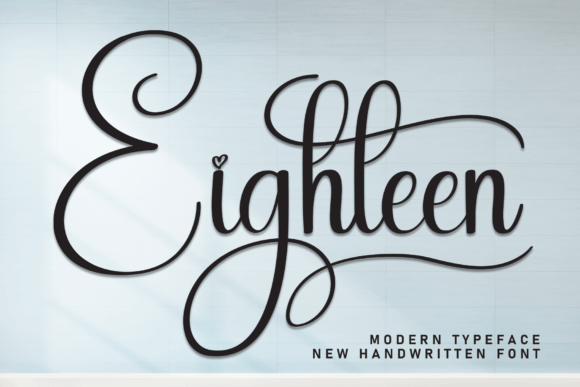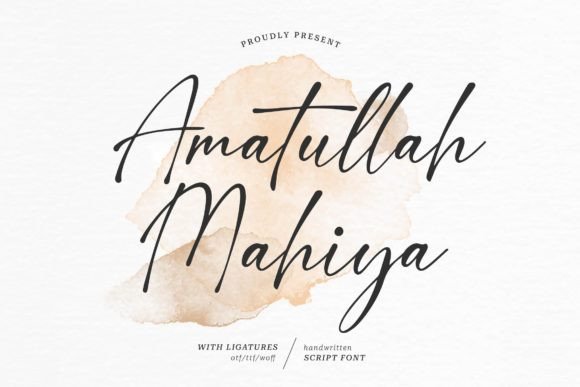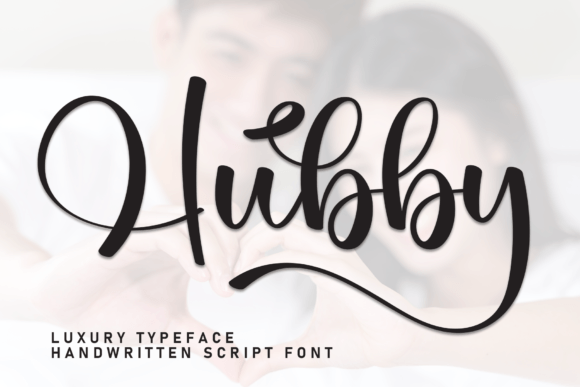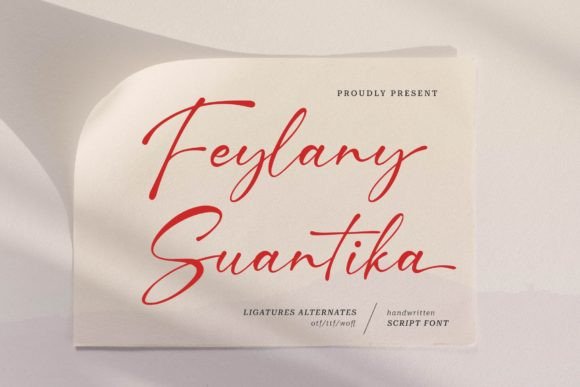
Change: Elevating Your Designs with Elegant Script
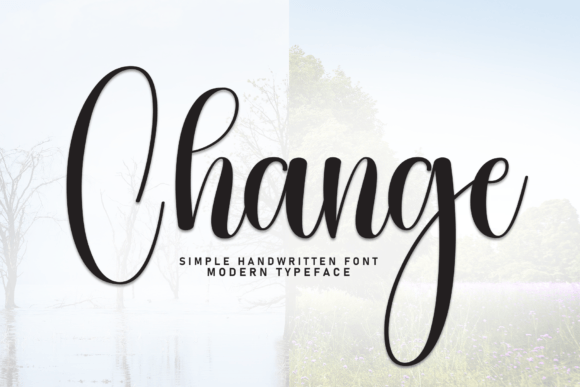
When you are staring at a blank canvas or a draft document, the difference between a generic layout and a memorable piece of design often comes down to a single element: typography. This is where Change steps in. It is not merely another font file sitting in a library; it is a stylish and incredibly elegant script font designed to bring a human touch to digital and print media. Whether you are crafting wedding invitations that need to whisper romance or creating business cards for a modern startup, this typeface offers the handwritten authenticity that sans-serif fonts simply cannot replicate.
Many creators rush into using script fonts because they look beautiful in isolation, only to find that the final result feels cluttered or difficult to read. The allure of Change is undeniable, but its power lies in how you apply it. If you treat it as a decorative afterthought rather than a strategic tool, you risk undermining your message. To get the most out of this versatile typeface, you must understand its specific strengths and avoid the common pitfalls that even experienced designers sometimes fall into.
Understanding the Appeal of Change
The primary reason professionals choose Change is its ability to convey emotion without saying a word. Unlike rigid geometric scripts that feel mechanical, this font mimics the fluid motion of a calligraphy pen. It looks stunning on wedding invitations, thank you cards, quotes, greeting cards, logos, business cards, and every other design which needs a handwritten touch. When used correctly, it transforms a standard corporate letterhead into a personal note from a friend.
However, interest in this font often stems from a misunderstanding of its role. Beginners frequently assume that because a font is "elegant," it should be used everywhere. They might try to set long paragraphs of body text in Change, assuming the script style will make the content more engaging. This is a critical error. While the character is beautiful, it is not optimized for high-volume reading. Using it for extensive text blocks can cause eye strain and reduce comprehension, defeating the purpose of clear communication.
Common Mistakes That Undermine Elegance
To ensure your projects maintain their professional integrity, you need to be aware of specific usage errors that can ruin the effect of this font. The first major mistake involves contrast. Designers often pair Change with other script fonts in an attempt to create variety. This almost always results in visual chaos. When two handwriting styles compete, the viewer's eye does not know where to rest, leading to a messy presentation that looks unprofessional.
Another frequent oversight is ignoring legibility in favor of aesthetics. Because Change features connected strokes and flourishes, it can become illegible when scaled too small or placed against busy backgrounds. If you are designing a logo or a business card, the font must be readable at a glance. A beautiful script that requires squinting to decipher fails its primary function. Similarly, using white text on a light background with this font can render it invisible, especially if the kerning (spacing between letters) is tight.
Cost and licensing are also areas where buyers often make hasty decisions. Many users download free versions of popular fonts without checking the license terms, only to face legal issues later when they use the font commercially. Before you integrate Change into a client project or a product launch, verify whether the license covers commercial use. Skipping this step can lead to unexpected costs and legal complications that far outweigh the price of the font itself.
How to Avoid These Pitfalls
Avoiding these mistakes requires a shift in mindset from "making it pretty" to "making it work." Here are practical strategies to ensure your use of Change enhances rather than detracts from your design:
- Pair with Simplicity: Always pair Change with a clean, neutral sans-serif font like Helvetica, Arial, or Roboto. Let the script handle the emotional impact while the sans-serif handles the information delivery. This creates a balanced hierarchy that guides the reader's eye naturally.
- Respect White Space: Give the letters room to breathe. Do not crowd the text. Increasing line height and letter spacing slightly can significantly improve readability without sacrificing the elegant feel of the script.
- Check Contrast Rigorously: Before finalizing any design, view it in grayscale. If the text disappears or blends into the background in black and white, it will likely fail in print or low-light digital environments. Ensure there is sufficient contrast between the text color and the background.
- Limit Usage: Treat Change as a spice, not the main ingredient. Use it for headlines, names, dates, and key phrases. Keep body text in a highly readable typeface to ensure your message is actually understood.
Evaluating Before You Buy
Before you download or purchase a license for Change, take time to evaluate how it fits your specific workflow. Look at the full character set. Does it include the special symbols, numbers, and punctuation marks you need? Some script fonts have limited number sets or lack necessary currency symbols, which can be a nightmare when designing invoices or price lists.
Consider the weight and variants available. A single weight might limit your design flexibility. Ideally, you want access to different stroke widths or distinct variations of the same family to create depth. Additionally, test the font on the actual devices where your audience will see it. A script that looks perfect on a large desktop monitor might break or appear jaggy on a mobile screen if the resolution is not handled correctly.
Finally, think about the context of your brand. If you are a law firm or a medical clinic, the playful nature of a script font might undermine trust. However, for a boutique bakery, a creative agency, or a wedding planner, Change is often the perfect fit. Align the personality of the font with the values of your brand to ensure consistency.
Making the Right Choice for Your Project
The goal of using Change is not just to follow a trend but to communicate effectively with a touch of sophistication. By avoiding the trap of overuse, respecting the limitations of script typography, and verifying licensing details, you can harness the full potential of this elegant typeface. Remember, the best design is one that works seamlessly, guiding the user through the content while leaving a lasting impression of quality.
Whether you are a freelancer looking to upgrade your portfolio, a small business owner wanting to stand out on social media, or a hobbyist creating custom gifts, taking the time to use Change correctly will pay off in the clarity and appeal of your final work. Approach the font with respect, pair it wisely, and let its natural elegance do the heavy lifting for your design.