Dreaming Times: The Playful Script That Adds Life to Your Designs
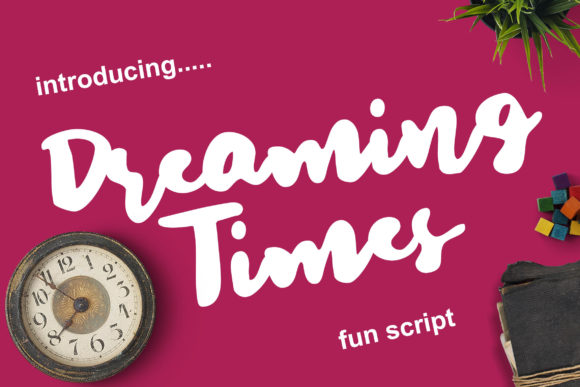
If you have ever stared at a blank canvas or a sterile web header, feeling that your project is missing a spark of personality, you are not alone. In the world of visual communication, typography does more than just convey information; it sets the emotional tone before a single word is read. This is where Dreaming Times steps in as a game-changer. It is not merely another font file sitting in your library; it is a playful, bouncing script designed to inject natural charm and loveable energy into your work.
Whether you are a small business owner crafting an invitation for a local event, a marketer designing a social media graphic, or a blogger looking to give your site a unique flair, the right typeface can bridge the gap between a functional design and a memorable experience. However, choosing a display font like Dreaming Times requires more than just liking how it looks on a screen. There are specific nuances regarding usage, pairing, and technical implementation that many creators overlook until it is too late.
Understanding the Vibe and Its Best Applications
Dreaming Times is defined by its organic flow and bouncy rhythm. Unlike rigid serif fonts or cold sans-serifs, this script mimics the movement of hand-lettering with a modern twist. It feels natural and inviting, making it perfect for contexts where warmth and approachability are paramount. You will find it excelling in logos that need to feel friendly rather than corporate, posters that want to grab attention without shouting, and invitations that set a celebratory mood.
Yet, a common misunderstanding is assuming that because a font is "fun," it should be used everywhere. The mistake here lies in overexposure. If you apply Dreaming Times to every headline, subhead, and body paragraph, the effect dilutes. The bounce becomes a distraction, and the "loveable" quality turns into chaos. The most successful applications use this script as a spotlight, not a floodlight.
Consider a wedding invitation. Using Dreaming Times for the couple's names and the event details creates an immediate sense of joy. However, if you try to use it for the RSVP instructions or the venue address, the text may become difficult to scan quickly. The key is to reserve its personality for the moments that matter most, allowing it to shine against cleaner, more neutral backgrounds.
The Pitfalls of Poor Pairing and Context
One of the most frequent errors designers make when adopting a distinctive script like Dreaming Times is failing to pair it correctly. A playful script needs a stable partner. If you pair it with another decorative font or a similarly busy typeface, the result is often a visual clash that confuses the viewer. This lack of harmony can negatively impact the perceived professionalism of your brand or project.
To avoid this, remember the rule of contrast. Dreaming Times works beautifully alongside simple, geometric sans-serifs or classic, understated serifs. These neutral partners provide the structure that allows the script to dance without overwhelming the layout. For instance, using a clean sans-serif for the body text ensures readability while letting Dreaming Times handle the headlines. This balance maintains efficiency and clarity, ensuring your message is communicated effectively without sacrificing style.
Another overlooked detail is the context of the medium. A font that looks stunning on a high-resolution poster might lose its definition when scaled down for a mobile notification or a tiny favicon. Before downloading or purchasing Dreaming Times, check how the letters behave at smaller sizes. Does the "bounce" disappear? Do the connecting strokes break up? Ensuring legibility across different screen sizes is crucial for maintaining user satisfaction and accessibility.
Evaluating Technical Quality and Licensing
When sourcing fonts, it is easy to get swept up in the aesthetic appeal and neglect the technical specifications. Not all versions of a script are created equal. Some free downloads may lack proper kerning pairs, leading to awkward spacing between letters that ruins the fluid motion of the design. Others might miss out-of-character glyphs or special symbols that are essential for professional projects involving international characters or specific punctuation.
Before committing to a license or download, take the time to test the font in your actual workflow. Type out long sentences, check how the capital letters interact with lowercase ones, and verify that the ligatures function as intended. Ignoring these details can lead to a final product that looks amateurish, regardless of how well the concept was executed. A poorly kerned logo or header can undermine the credibility of even the best creative idea.
Licensing is another area where beginners often stumble. Because Dreaming Times has a distinct character, some users assume it is free for commercial use without verifying the terms. Commercial licenses vary widely; some require a one-time fee, while others operate on a subscription model. Failing to secure the correct license can result in legal issues later on, which is a risk no entrepreneur or freelancer wants to take. Always read the end-user license agreement (EULA) carefully to understand what you can and cannot do with the font.
Making the Right Choice for Your Project
If you are deciding whether Dreaming Times fits your current project, ask yourself a few critical questions first. Does the brand voice match the playful nature of the script? Is the target audience likely to respond positively to a whimsical tone? If your goal is to communicate complex data or serious financial news, this font might send the wrong signal. Conversely, if you are launching a children's brand, a creative workshop, or a lifestyle blog, it could be the perfect fit.
Practical advice suggests creating a quick mood board before diving into the design. Place Dreaming Times next to your other chosen elements to see how they interact. Test it in black and white to ensure the shape holds up without relying on color. This simple step can save hours of rework and prevent the frustration of realizing mid-project that the font simply doesn't work for the intended purpose.
Ultimately, the power of Dreaming Times lies in its ability to bring a human touch to digital and print media. By avoiding common pitfalls like poor pairing, ignoring technical specs, and misjudging the context, you can harness its full potential. When used thoughtfully, it transforms ordinary designs into engaging experiences that resonate with adults aged 20 to 50 who appreciate both style and substance. Take the time to evaluate your needs, respect the craft of typography, and let this loveable script add the fun touch your project deserves.