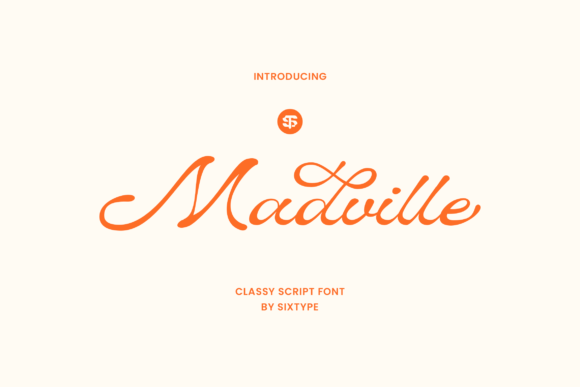
Madville: Transforming Individuality into a Symphony of Strokes
In a digital landscape saturated with generic sans-serifs and rigid geometric typefaces, Madville stands out as a breath of fresh air. This script font is not merely a collection of characters; it is a tool that translates individuality into a symphony of strokes. By breathing life and personality into any design sphere, Madville offers playful characters and endearing quirks that immediately capture attention. Whether you are sculpting an impactful logo, crafting a meaningful quote, or designing captivating invitations, this font lures the viewer's eye with every curve and line.
However, simply having access to a unique font like Madville does not guarantee success. Many designers, from beginners to seasoned professionals, make critical errors when integrating script fonts into their workflows. These mistakes can dilute your message, reduce readability, or even cause technical failures across different platforms. Understanding the nuances of Madville—its versatility, encoding, and proper application—is essential for ensuring your work resonates powerfully with diverse audiences.
Navigating Compatibility and Encoding Pitfalls
One of the most significant advantages of Madville is its comprehensive multilingual support and PUA (Private Use Area) encoding. While this feature ensures that every design can resonate globally, it also introduces a specific set of challenges if overlooked. A common mistake occurs when users assume that all glyphs will render automatically in every software environment without verification.
If you download Madville but fail to understand how PUA encoding works, you might find that certain special characters, ligatures, or extended language supports do not appear as expected in older versions of design software or on specific web browsers. This oversight can lead to broken text, missing symbols, or a final product that looks incomplete compared to the preview. To avoid this, always test your designs across multiple devices and check the rendering of complex ligatures before finalizing a project. Ensure your target audience's devices have the necessary font files installed or utilize web font embedding techniques that preserve the integrity of the Private Use Area characters.
The Trap of Overuse and Legibility
While Madville sculpts impactful logos with ease, there is a temptation to use it for body text or long-form content. This is a frequent error that undermines the effectiveness of your communication. Script fonts are designed for impact and emotion, not for high-volume reading. Using Madville for paragraphs of text can fatigue the reader's eyes and obscure your message entirely.
The solution lies in strategic restraint. Use Madville for headlines, key phrases, or short statements where its spirited charm can shine. Pair it with a clean, neutral sans-serif for body copy to create a balanced hierarchy. For example, if you are designing a blog post or a marketing email, let Madville headline the section while a readable font handles the details. This approach maintains the aesthetic appeal without sacrificing usability.
- Check the Weight: Ensure the weight of the font matches the medium. Heavy script may look too dense for small mobile screens.
- Test Contrast: Verify that the white space within the letters remains visible against your background color.
- Limit Line Length: When using script for longer quotes, keep lines short to maintain flow and rhythm.
Evaluating Versatility Before You Commit
Madville comprises uppercase and lowercase alphabets, numbers, punctuation, and extensive multilingual support. This makes it incredibly versatile for global campaigns. However, creators often overlook the importance of checking the specific character set included in their license before purchasing or downloading. Not all script fonts include the same level of diacritical marks or special symbols required for specific languages.
Failing to verify this can result in a situation where you need to buy additional language packs or switch fonts mid-project, causing delays and increased costs. Always review the character map provided by the font creator. If you are targeting a specific region, ensure that the accents and unique characters for that language are present in the file. This proactive step ensures that your design remains consistent and professional, regardless of the language used.
Integrating Ligatures Correctly
A defining feature of Madville is its ability to form beautiful connections between letters through ligatures. These are the "amazing glyphs" that give the font its fluid, hand-drawn quality. A common misunderstanding among users is expecting these ligatures to activate automatically without enabling OpenType features in their software.
If you notice disjointed letters where they should connect, or if the spacing feels awkward, check your typography settings. In applications like Adobe Illustrator, Photoshop, or InDesign, you must explicitly enable "Contextual Alternates" or "Ligatures" in the OpenType panel. Without this adjustment, the font defaults to a basic, unconnected state, losing much of its distinctive allure. Taking the time to configure these settings correctly transforms a standard text block into a dynamic piece of art.
Making the Right Choice for Your Brand
When evaluating whether Madville is the right choice for your next project, consider the narrative you wish to tell. This font is ideal for brands that want to convey creativity, self-expression, and a personal touch. It is less suitable for corporate environments requiring strict minimalism or high-tech precision. Misaligning the font's personality with your brand identity can confuse your audience and weaken your message.
Before making a decision, ask yourself: Does this font reflect the values of my business? Will it stand out without looking cluttered? If the answer is yes, then Madville is likely a strong candidate. Remember that the goal is to imbue your work with spirited charm, not just to add decoration. Every stroke should unfold a narrative of creativity.
- Define the Purpose: Is the font for a logo, a poster, or a website header?
- Analyze the Audience: Will your demographic appreciate the playful nature of the script?
- Review the License: Ensure the usage rights cover your intended platform, especially for commercial projects.
- Test Readability: Print a sample at actual size to ensure clarity.
By avoiding these common pitfalls and leveraging the full potential of Madville's encoding and design features, you can create designs that truly pop. The font's unique blend of playfulness and professionalism allows it to bridge the gap between artistic expression and clear communication. Whether you are a freelancer creating custom invitations or a marketer launching a global campaign, understanding how to handle this typeface effectively will elevate your work to a new level of quality and satisfaction.
Ultimately, the success of a design depends on the thoughtful application of tools like Madville. Don't just install the font; learn its behavior, respect its strengths, and correct your workflow to match its capabilities. With the right approach, Madville becomes more than just a font—it becomes a vital part of your creative voice, ensuring every curve and line contributes to a compelling story.