Why Balsamic and Hand-Written Fonts Transform Digital Design
In a digital landscape dominated by rigid grids, pixel-perfect alignment, and sterile sans-serif typefaces, there is a growing desire for warmth and authenticity. This shift has brought the hand-written font category into the spotlight, moving from niche creative projects to mainstream corporate communication. At the heart of this movement are fonts like Balsamic, which capture the essence of human touch in a scalable format. Understanding the nuances of these typefaces is essential for anyone looking to create designs that resonate on a personal level.
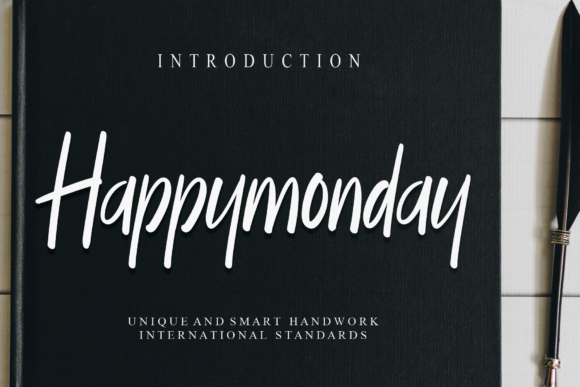
A hand-crafted font is defined by its intention to mimic the imperfections of natural writing. Unlike standard geometric or grotesque typefaces where every 'e' is identical, a handwritten style introduces organic variability. These fonts often feature slight variations in spacing between letters and words, creating a rhythm that feels more conversational than mechanical. The letters are not perfectly uniform in size or shape; instead, they may possess a wiggly or squiggly appearance that suggests a pen moving across paper. While this aesthetic offers a unique charm, it also presents specific challenges regarding legibility at small sizes.
The Aesthetic Power of Imperfection
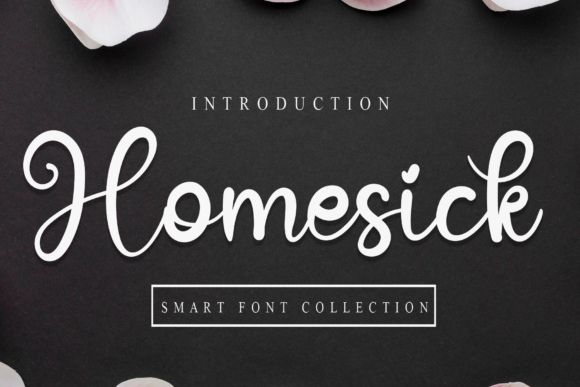
The primary allure of using a casual, upright script with a crafty feel lies in its ability to evoke emotion. When a user encounters text that looks like it was written by hand, their brain processes it differently than standard block text. It signals intimacy, effort, and a lack of corporate polish. This characteristic makes handwritten fonts an excellent tool for adding a casual touch to your designs, whether you are designing a menu for a local cafe or a landing page for a boutique studio.
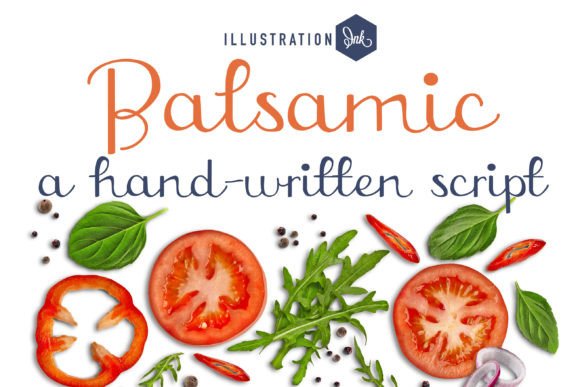
However, the effectiveness of these fonts depends heavily on the specific weight and style chosen. For instance, Balsamic represents a specific approach to this genre. It is designed to be an upright script that balances readability with artistic flair. By including three distinct weights, such fonts allow designers to maintain visual hierarchy without sacrificing the handcrafted look. This versatility ensures that the design remains functional while still conveying a sense of nostalgia or whimsy.
- Organic Flow: The letters connect or interact in ways that mimic natural handwriting, guiding the eye smoothly across the line.
- Variable Stroke Width: Much like a real pen stroke, the lines may thicken and thin depending on the direction of the movement.
- Irregular Baselines: Letters may sit slightly above or below the baseline, adding a dynamic, bouncy energy to the text.
- Unique Ligatures: Special character combinations that join letters together naturally, reducing gaps and improving flow.
Strategic Applications Across Industries
The utility of a hand-written font extends far beyond simple decoration. Professionals in various fields are discovering practical applications for these typefaces when used correctly. The key is understanding the context in which the font operates. A formal handwritten font may not be appropriate for a casual invitation, just as an informal handwritten font may not be appropriate for a corporate document. Recognizing this distinction is the first step toward effective implementation.
In the realm of education and research, these fonts can be powerful tools for engagement. Educators often use them to make learning materials feel less intimidating. Imagine a worksheet for young children or a creative writing prompt; a font like Balsamic can lower the barrier to entry, making the content feel friendly and approachable. Similarly, researchers studying consumer behavior have noted that packaging featuring hand-lettered elements often perceives as more artisanal and higher quality, even if the product inside is mass-produced.
Business owners and entrepreneurs frequently leverage the "crafty feel" of these fonts to build brand identity. In a market saturated with generic templates, a custom-looking script can differentiate a brand. Consider a bakery that uses a handwritten font for its daily specials board; it suggests freshness and homemade quality. For a tech startup, however, the same font might be used sparingly, perhaps only in a logo or a hero section, to inject personality without compromising professional credibility.
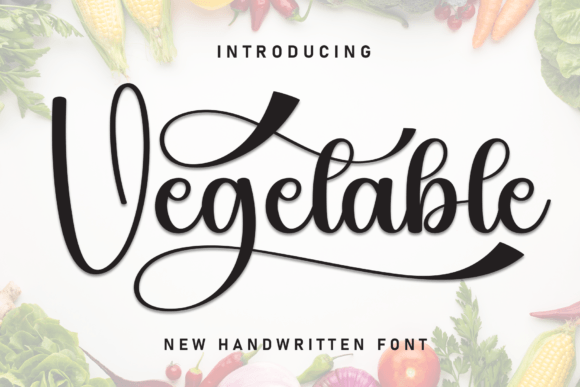
For creators and hobbyists, the possibilities are endless. From scrapbooking digital layouts to designing personalized greeting cards, the ability to replicate the look of a signature adds a layer of personalization that stock photography cannot match. The fact that some of these fonts include multiple weights allows for complex compositions where headings, subheadings, and body text all share the same family but vary in emphasis.
Navigating Legibility and Readability Challenges
While the emotional benefits are clear, the technical limitations of handwritten fonts must be acknowledged. As noted in many typographic guides, the font may be difficult to read at small sizes. This is primarily due to the irregularities in letter shapes and the potential for connecting strokes that can blur together when scaled down. For body text in long-form articles or dense data tables, a clean serif or sans-serif typeface is usually superior.
To mitigate these issues, designers should follow a few best practices:
- Size Matters: Ensure that any text set in a handwritten font is large enough to resolve its details clearly. If the font looks like a blob of ink, increase the point size.
- Contrast is Key: High contrast between the text color and the background helps define the edges of the letters, making the "wiggly" shapes easier to distinguish.
- Limit Usage: Use the font for headlines, pull quotes, or short phrases rather than paragraphs of text. Let the structure of the document remain stable while the typography provides the flair.
- Check Spacing: Because the font may have slight variations in spacing between letters and words, manual kerning adjustments might be necessary for optimal presentation.
When selecting a font like Balsamic, it is crucial to test it in the actual environment where it will be displayed. What looks perfect on a high-resolution monitor might become illegible on a mobile device or a printed flyer. The goal is to achieve the desired aesthetic without sacrificing the core function of typography: communication.
The Psychology of Connection
Why do we respond so positively to imperfect text? Psychologically, human beings are wired to recognize faces and patterns associated with other humans. A perfect, computer-generated font can feel cold and distant. In contrast, a font that mimics the tremor of a hand or the pressure of a nib creates a subconscious connection. It implies that a person was involved in the creation of the message.
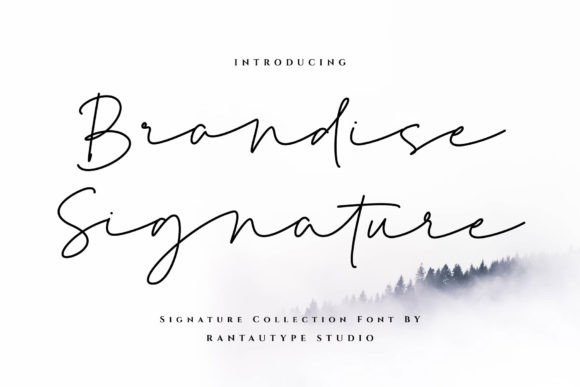
This psychological effect is particularly potent in marketing and branding. When a company uses a casual, upright script, it is signaling transparency and accessibility. It says, "We are real people, not a faceless corporation." However, this strategy requires nuance. If the font is too messy or chaotic, it can signal disorganization. If it is too polished, it loses the "handmade" appeal. The sweet spot is found in fonts that offer a balance, such as those with a crafty feel but maintained structural integrity.
Furthermore, the use of handwritten fonts can bridge cultural gaps. Since handwriting styles vary globally, a well-designed script can transcend language barriers by relying on universal concepts of artistry and care. This makes it a valuable asset for international brands looking to localize their messaging without losing their core identity.
Selecting the Right Tool for the Job
Choosing the right typeface is a decision that impacts the entire tone of a project. Before committing to a specific font, consider the following questions:
- What is the mood? Do you need whimsy, elegance, urgency, or calm?
- Who is the audience? Will children, executives, or general consumers be reading this?
- Where will it appear? Is it for a billboard, a smartphone screen, or a wedding invitation?
- How much text? Are you setting a single headline or a full book chapter?
If the answer involves a need for a casual touch, a sense of nostalgia, or a desire to stand out in a crowded feed, a handwritten font is likely the correct choice. However, if clarity and speed of reading are the priority, a more traditional typeface should take precedence. The most successful designs often combine both, using a clean base font for information and a handwritten accent for emphasis.
Fonts like Balsamic exemplify the modern evolution of this category. By offering three weights, they provide the flexibility needed for complex layouts while retaining the charm of a hand-drawn original. They prove that you don't have to choose between style and substance. With careful application, these typefaces can elevate a project from ordinary to memorable.
As we move further into an era of artificial intelligence and automated content generation, the value of human-centric design will only increase. The slight imperfections of a handwritten font serve as a reminder of our humanity. Whether you are a professional designer, a business owner, or a hobbyist, incorporating these elements thoughtfully can transform your work, adding depth, character, and a genuine sense of connection to your audience.